Climate change is a major cause of low productivity in the agricultural sector in Ghana. Small-scale farmers rely heavily on subsistence rain-fed agriculture for livelihood. These small-scale farmers are more vulnerable to the adverse effects of changing climate conditions.
Due to the vulnerability of Konkori’s agricultural sector, To Live In H.O.P.E has focused on supporting its farmers, the majority of which are small-holder farmers, less educated, and do not have the means of adapting to the issues of climate change.
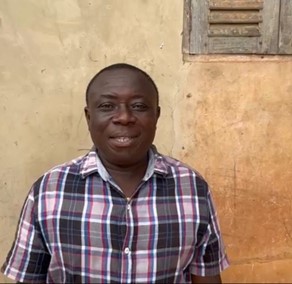
Kwaku is a married man with seven children, the sole provider for his family. Their well-being depends on his farming. Recently, their economical security has wavered due to the challenges faced during the dry season without an established irrigation system. Instead, he pays workers to irrigate his entire farmland, though the cost of this is unsustainable for the future of his business.
Originally, Kwaku was insistent on organic farming, but has had to lower his standards due to the high cost of organic seeds, turning instead to lower-quality seeds which has resulted in lower productivity. His goal is to be able to once again turn to organic farming, and then expand his crop-range to include okra, squash, tomatoes and cucumbers for a more stable income to invest in furthering his children’s education to a higher level.’